

Public
The evolution of gambling a historical journey through time
The evolution of gambling a historical journey through time
The Ancient Roots of Gambling
The origins of gambling can be traced back to ancient civilizations, with evidence found in artifacts dating back thousands of years. Early forms of gambling were evident in Mesopotamia, where dice made from bones were used in various games of chance. Similarly, ancient Chinese texts mention the use of tiles for a game that resembles modern-day gambling. These early examples highlight humanity’s innate attraction to risk and reward, setting the foundation for future gambling practices. In today’s context, exploring fast withdrawal casinos canada can provide a fascinating perspective on how far we’ve come.
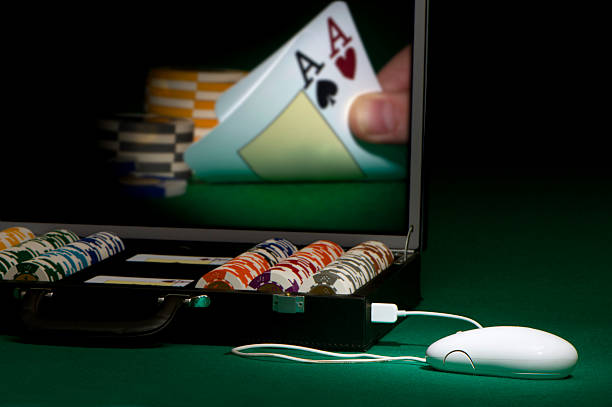
The Greeks and Romans further advanced gambling, integrating it into their cultures. The Greeks were known for betting on athletic contests, particularly the Olympic Games, while the Romans popularized gambling through the use of dice games and betting on gladiatorial contests. This transition from informal gaming to organized gambling reflects the growing social acceptance and commercialization of betting, which became an integral part of entertainment in ancient societies.
As societies evolved, so did gambling, morphing from simple games of chance into structured betting systems. The introduction of regulations around gambling in various cultures illustrates society’s recognition of both its potential benefits and dangers. By acknowledging gambling as a societal pastime, ancient cultures laid the groundwork for the more complex gambling systems that would emerge in subsequent centuries.
The Middle Ages and the Rise of Gambling Houses
The Middle Ages marked a significant turning point in the history of gambling, with the establishment of gambling houses across Europe. During this period, the Church often condemned gambling, associating it with vice and moral decay. However, the allure of gambling persisted, leading to the establishment of secret betting houses and, eventually, licensed gaming establishments. This duality between societal disapproval and the persistent popularity of gambling created a unique dynamic in medieval society.
The introduction of card games during this era further revolutionized gambling practices. Originating from Asia, card games quickly spread across Europe, leading to the development of various popular games. The invention of playing cards not only diversified gambling but also made it more accessible to the masses, fostering a culture of both casual and serious gamblers. These gaming houses became social hubs where individuals could gather, socialize, and indulge in their love for games of chance.
Additionally, the role of gambling in the economy became more pronounced during the Middle Ages. Lotteries emerged as a means of raising funds for public projects and governmental needs, showing that gambling could serve a social purpose. This period demonstrated how gambling adapted to societal changes while embedding itself deeper into the cultural fabric of Europe, paving the way for future developments in gambling practices.
The Birth of Modern Gambling in the 18th and 19th Centuries
The 18th and 19th centuries saw significant advancements in gambling, characterized by the establishment of formal casinos and the proliferation of gaming regulations. The first official casino, the Casino di Venezia in Italy, opened its doors in 1638, but the concept of casinos became more popularized during this period. These establishments provided a more refined gambling experience, attracting not just gamblers but also those seeking entertainment in elegant settings.
The advent of roulette and baccarat during this time further transformed the gambling landscape. These games offered new betting options and strategies, enhancing the thrill of chance with elements of skill. The era also saw the emergence of horse racing betting, which became a favorite pastime among the wealthy and middle classes alike. The combination of social interaction, luxury, and the thrill of risk created a unique atmosphere that defined modern gambling.
Moreover, the industrial revolution played a crucial role in expanding gambling opportunities. With urbanization, more people flocked to cities, leading to the establishment of numerous betting houses and gambling venues. The increased mobility of the population facilitated easy access to gambling, making it a significant aspect of urban entertainment. This period laid the groundwork for the global gambling industry as we know it today, as gambling evolved from local pastimes to major international enterprises.
The Legalization and Regulation of Gambling in the 20th Century
The 20th century marked a critical juncture in the evolution of gambling, characterized by widespread legalization and regulation. As governments recognized the potential tax revenue from legalized gambling, many countries began establishing regulated gaming industries. This shift aimed to control illegal gambling operations and protect consumers, leading to a more responsible gambling environment. The establishment of state-run lotteries and the legalization of casinos signified a shift towards acceptance and commercialization.
The proliferation of technology during this era also played a pivotal role in gambling’s transformation. The introduction of slot machines in casinos revolutionized the gambling experience by providing a simple yet engaging way for individuals to try their luck. The development of online gambling in the late 20th century further changed the landscape, allowing players to access games from the comfort of their homes. This digital shift opened up new avenues for gambling and attracted a younger demographic.
As a result, concerns around gambling addiction and responsible gaming practices emerged, prompting regulatory bodies to implement measures aimed at protecting players. Education initiatives and support services were developed to address these issues, emphasizing the need for a balance between entertainment and responsibility in the gambling industry. The evolution of gambling in the 20th century highlighted its dual nature as both a source of entertainment and a potential risk, paving the way for ongoing discussions about responsible gambling today.

The Future of Gambling and Online Casinos
The future of gambling appears to be increasingly intertwined with technological advancements, particularly through the rise of online casinos. With the advent of mobile technology, players can now engage in gambling activities from virtually anywhere, making it more accessible than ever before. Online casinos have revolutionized the industry by offering diverse games, lucrative bonuses, and real-time gaming experiences that rival traditional casinos.
The ongoing development of virtual reality (VR) and augmented reality (AR) technologies holds the potential to further enhance the gambling experience. These innovations promise immersive environments where players can interact in realistic settings, creating a new dimension of social gaming. As technology continues to evolve, the gambling industry must adapt, focusing on consumer preferences and ethical considerations to maintain its appeal.
As regulations surrounding online gambling become increasingly robust, players are encouraged to seek platforms that prioritize safety and fair play. This emphasis on security will likely shape the future landscape of gambling, ensuring that while the industry continues to expand, it remains a responsible and enjoyable pastime for all. The evolution of gambling, fueled by history and innovation, underscores the dynamic nature of this age-old practice.
